
When shopping for a commercial pontoon boat, most buyers focus on horsepower, seating capacity, or layout. While those are all important, one of the most overlooked—and most important—features is something you can't always see: the thickness of the pontoon tubes.
At Feil's Southwest Boats, we work with rental operators, resorts, marinas, boat clubs, and commercial fleets across the Western United States. One of the first things we discuss with customers is how their boats will be used, because not all pontoon construction is created equal.
What Does Tube Thickness Mean?
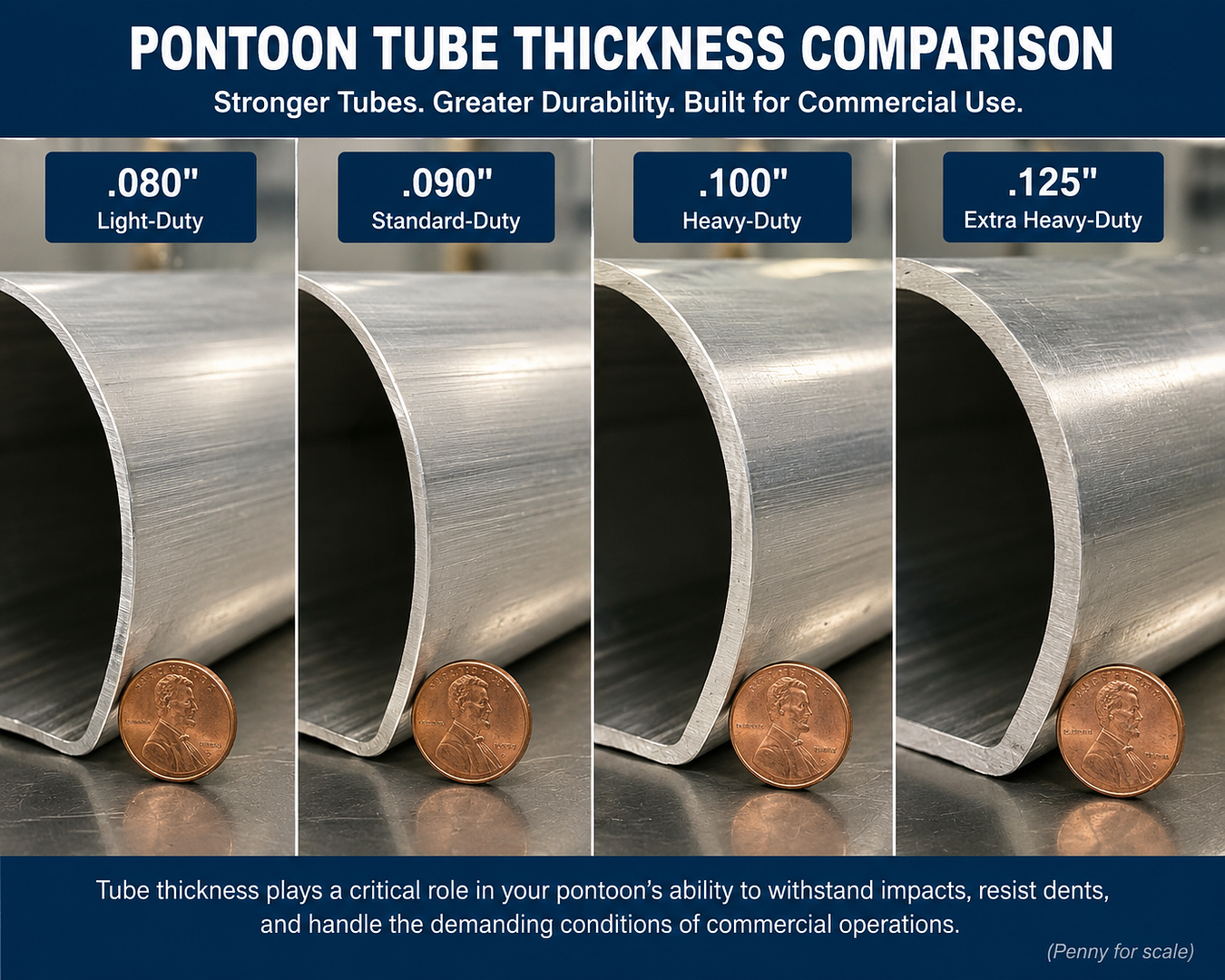
Pontoon tubes are manufactured from marine-grade aluminum, and the thickness of that aluminum is measured in inches.
Common tube thicknesses include:
- .080" – Common on many recreational pontoons.
- .090" – A slight step up in durability.
- .100" – Heavy-duty construction designed for demanding use.
- .125" (1/8") – Often used for reinforced nose cones or specialized commercial applications requiring additional impact resistance.
While the difference between .080" and .100" may seem small on paper, it represents approximately 25% more material thickness, resulting in significantly greater resistance to dents, impacts, and long-term fatigue.
Why It Matters for Commercial Operations
Commercial boats simply experience more wear than recreational boats.
Rental fleets launch and retrieve boats daily. Operators encounter inexperienced drivers, crowded docks, changing water levels, submerged obstacles, and thousands of passengers every season.
Over time, these conditions take a toll.
Thicker tubes provide:
- Greater resistance to dock and trailer impacts
- Increased structural strength
- Better durability in rough water
- Longer service life
- Lower long-term maintenance costs
- Greater confidence for daily commercial use
For businesses, durability isn't just about protecting the boat—it's about reducing downtime and protecting revenue.
It's More Than Just Tube Thickness
Tube thickness is only one piece of the puzzle.
A truly commercial-grade pontoon should also feature:
- Heavy-duty nose cones
- Reinforced nose cone fins
- Fully welded keels
- Heavy-duty crossmembers
- Reinforced understructure
- Heavy-duty side guards
- Welded lifting strakes
- Quality marine-grade aluminum construction
These components work together to create a stronger, more durable platform capable of handling years of commercial service.
Why We Recommend .100" Commercial Tubes
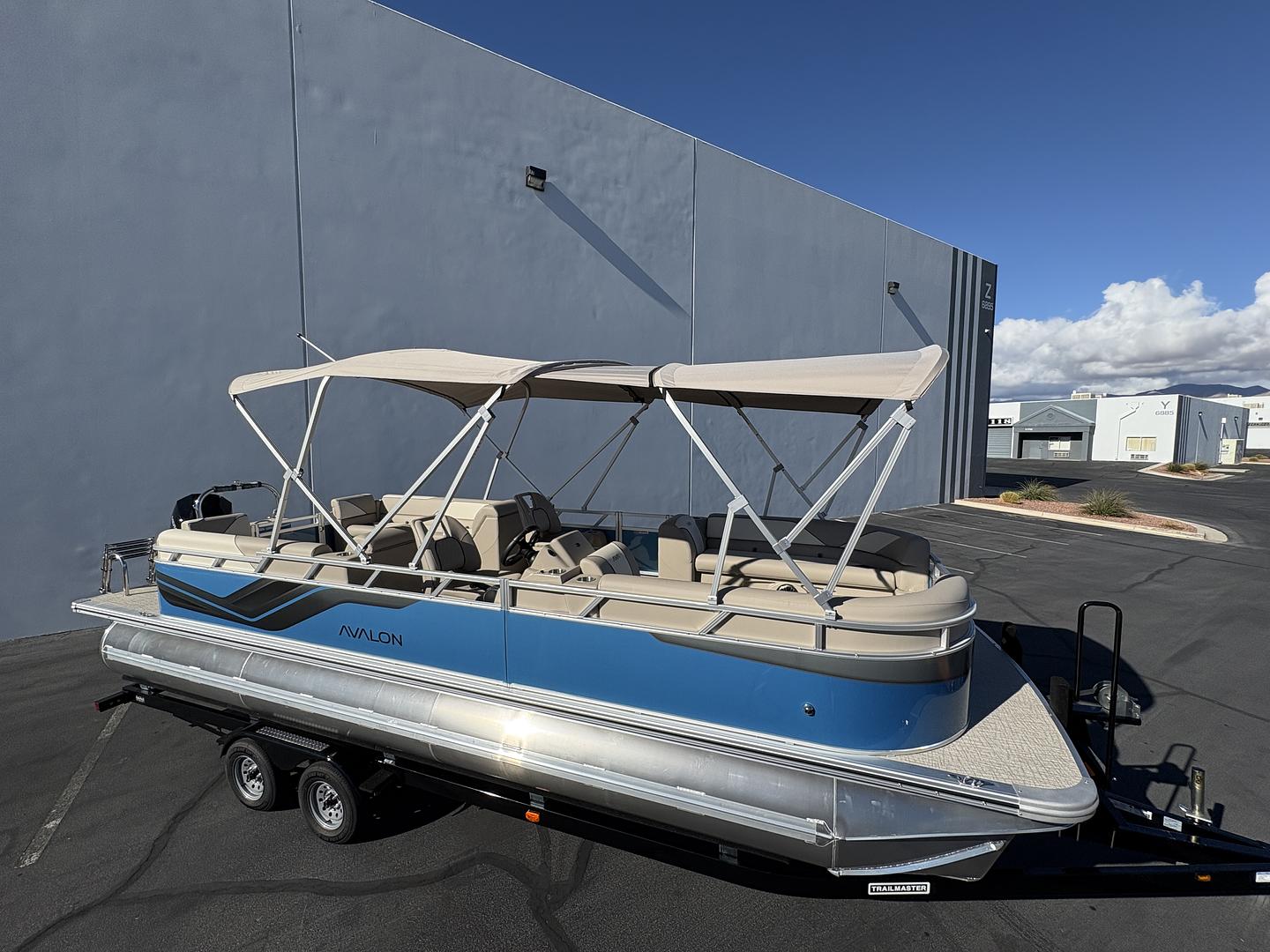
Commercial-grade .100-gauge pontoon tubes provide the extra strength needed to withstand the everyday demands of fleet operations. Combined with heavier .120" nose cones on some models, this construction offers increased durability where boats experience the most abuse.
That extra material helps absorb everyday impacts while providing operators with greater peace of mind.
For fleet owners, it's often the difference between a boat that lasts a few busy seasons and one that continues generating revenue for many years.
The Cost of Going Too Light
Choosing a lighter-built pontoon may reduce the initial purchase price, but it can lead to higher ownership costs over time.
Thinner tubes are generally more susceptible to:
- Dock damage
- Rock and debris impacts
- Dents
- Structural fatigue
- More frequent repairs
- Increased downtime during peak season
For commercial operators, even a few days out of service can cost far more than the savings from purchasing a lighter-duty boat.
Choosing the Right Boat for Your Operation
Every operation is different.
A small private lake may not require the same level of construction as a high-volume rental fleet operating seven days a week on large reservoirs like Lake Havasu, Lake Powell, Lake Mead, or the Columbia River.
That's why Feil's Southwest Boats works with every customer individually to recommend the right level of construction for their specific operation, budget, and long-term goals.
Our focus isn't simply selling boats—it's helping operators invest in equipment that delivers reliable performance season after season.
Let Our Team Help
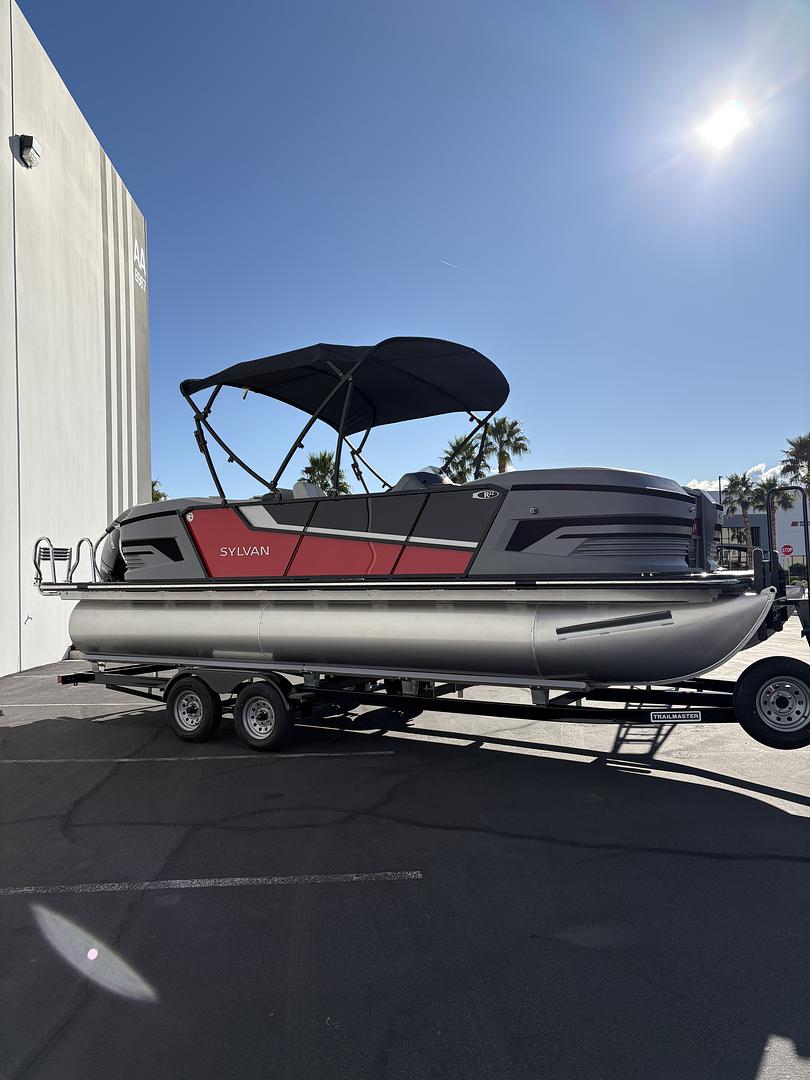
If you're building a new rental fleet, replacing aging equipment, or expanding your commercial operation, we'd be happy to explain the differences between pontoon construction and help you select the right platform.
At Feil's Southwest Boats, we proudly serve commercial operators throughout Washington, Oregon, California, Nevada, Arizona, Utah, Idaho, and Montana, providing commercial pontoons built for durability, easy maintenance, and long-term profitability.
Because when your business depends on your boats every day, what's beneath the deck matters just as much as what's on top.