What’s Under Your Pontoon Matters: Understanding Hat Channels
When comparing pontoons for your rental or commercial fleet, it’s easy to focus on what you can see—the seating, flooring, railings, gates, and other features your customers will use every day.
But some of the most important construction details are actually underneath the boat.
One of those details is the hat channel.
What Is a Hat Channel?
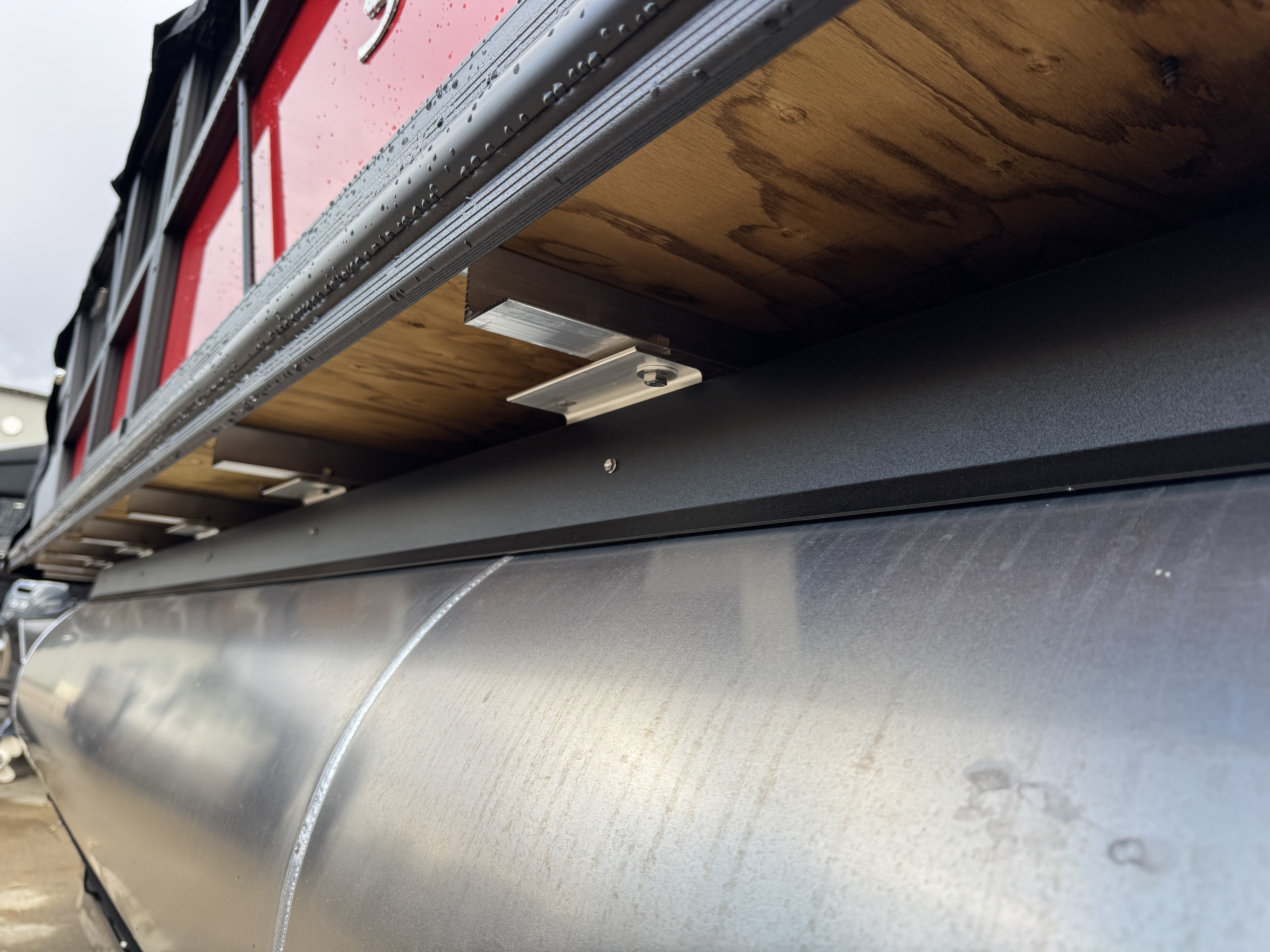
Hat channels are aluminum structural supports used in the undercarriage of a pontoon. They help support the deck and tie the structure of the boat together.
For a commercial pontoon, this is an area worth paying attention to. Your boats may carry full passenger loads multiple times a day, get loaded and unloaded constantly, experience frequent docking, and accumulate hundreds of hours throughout a season.
That’s a much different life than the average recreational pontoon.
Not All Hat Channels Are the Same
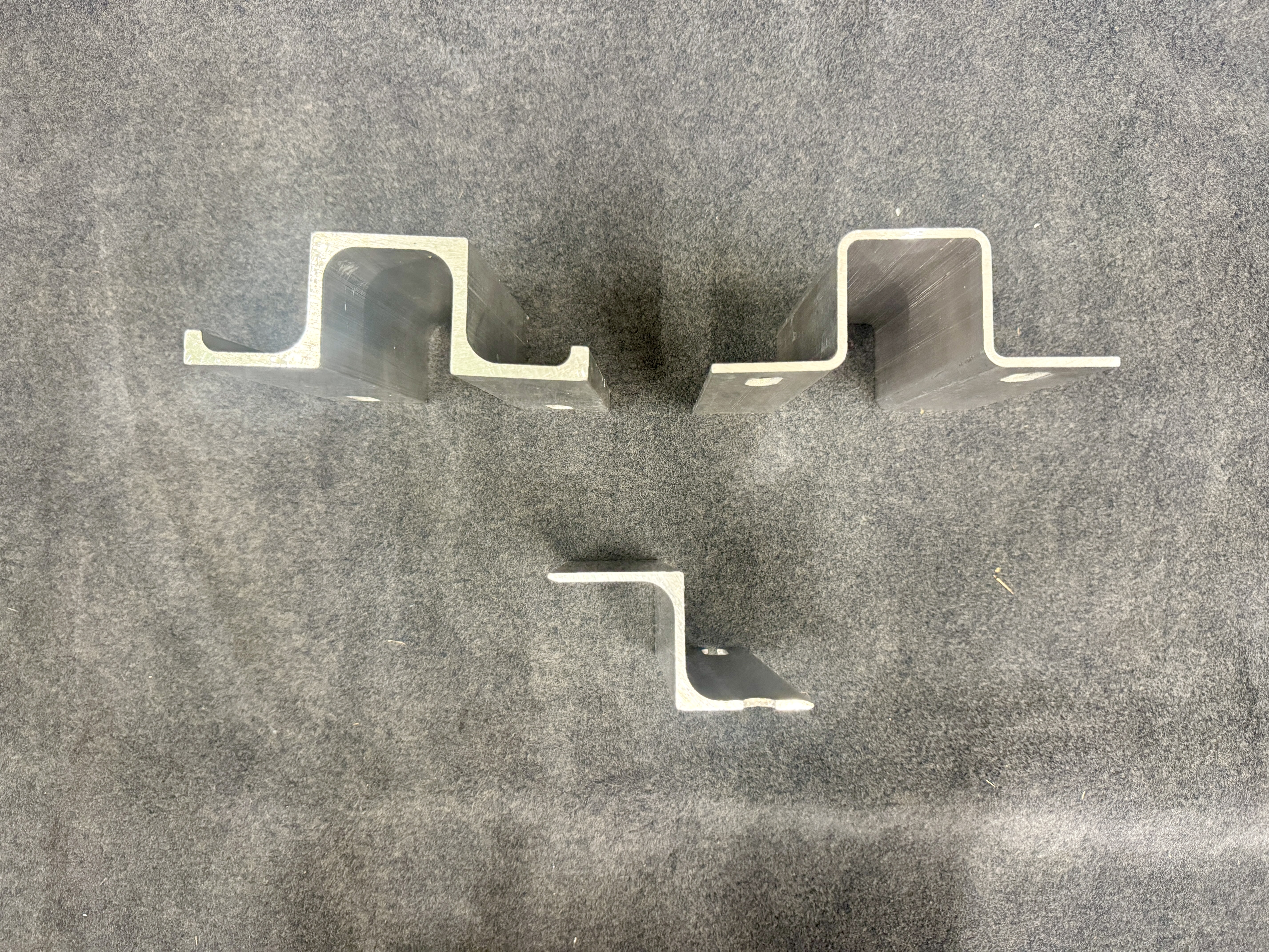
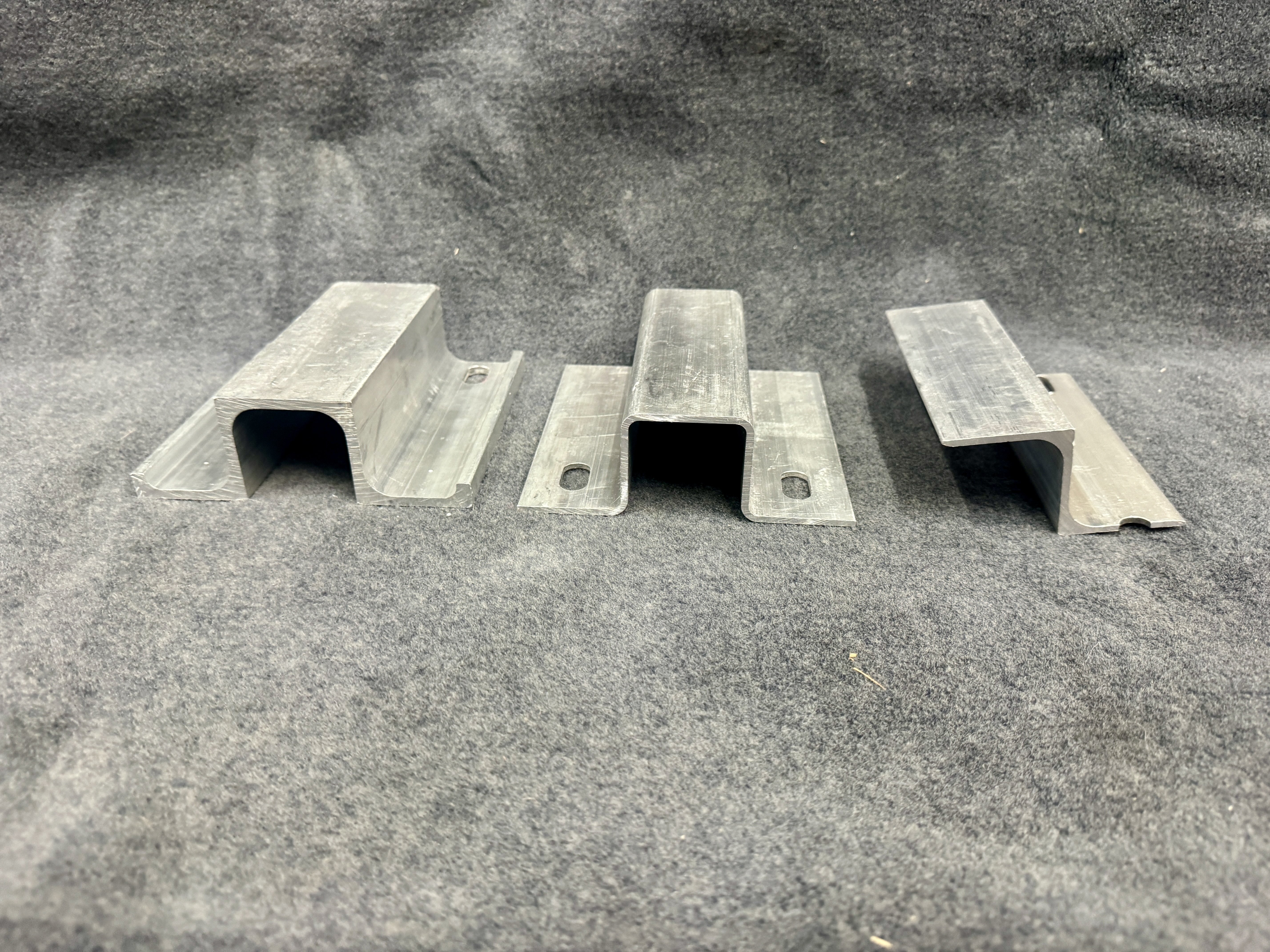
Take a look at the photos above. These are three different examples of undercarriage support construction, and you can immediately see the differences in their size, shape, and amount of aluminum used.
Simply hearing that a pontoon is built with “hat channels” doesn’t tell the whole story.
When comparing construction, look at things like:
- Size and thickness of the aluminum
- Height and width of the channel
- Shape and overall design
- Spacing between supports
- How the supports are attached
- How well the deck is supported from bow to stern
The larger profiles shown in the photo provide a broader, more substantial structure than the smaller profile. But size is only one part of the equation—the entire undercarriage design works together to support the boat.
Why It Matters for Your Fleet
A properly designed undercarriage helps support the deck, distribute loads, and add rigidity to the overall structure of the pontoon.
For a recreational boat that gets used occasionally throughout the summer, differences in construction may not always be obvious. For a rental or commercial boat working day after day, however, those details become much more important.
That’s why when you're comparing boats for your fleet, we recommend looking beyond the seats and features.
Get underneath the boat and take a look at how it’s actually built.
The difference may not be noticeable from the captain’s seat, but it can tell you a lot about the construction behind the boat—and what you're putting into your fleet.