
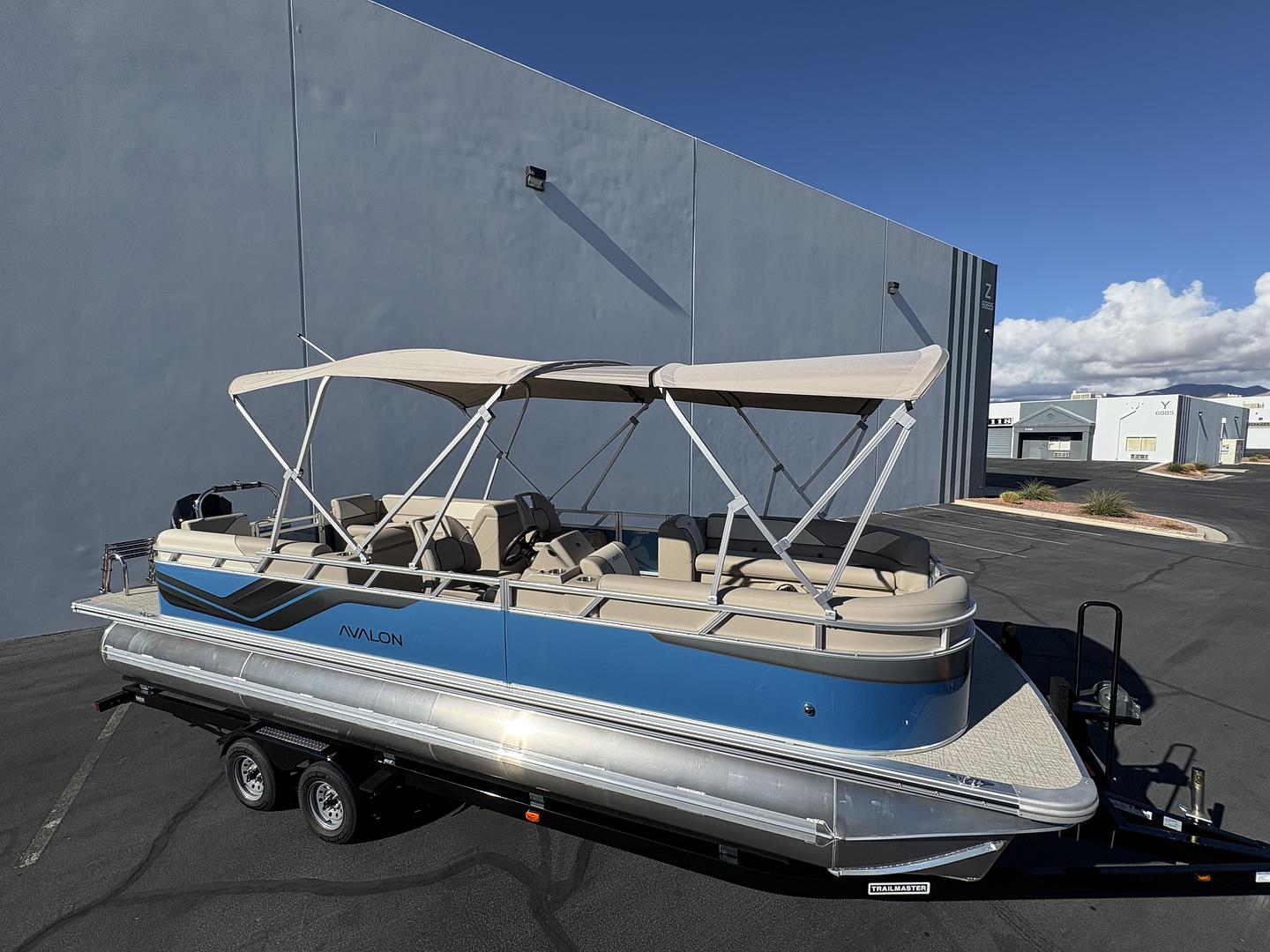
Avalon Pontoons Built for Commercial Rental Use
Published:
Avalon Pontoons Built for Commercial Rental Use
A practical interior. A reinforced foundation. Built for the demands of rental operations.
***************************
Rental boats face considerably more wear and abuse than privately owned boats. In our experience, a rental boat may accumulate approximately 300 operating hours per year compared with roughly 30 hours for a personal boat. Those hours include frequent dock impacts, heavy passenger loads, repeated launching and trailering, and abuse from inexperienced operators who may approach docks too quickly or fail to slow down for large wakes.
Through Feil’s Southwest Boats, commercial operators have access to specialized Avalon configurations beyond those offered to the general public. We combine selected heavy-duty construction components used on Avalon’s flagship Excalibur series with the simple, practical interiors of the Venture or LSZ series. Starting with the Sport Performance configuration, we add the Rough Water Package to strengthen the boat where rental operators need it most.
Why Reducing Chassis Flex Matters
Chassis flex is the bending and twisting of the boat’s structure under load. Over time, repeated movement stresses welded connections and can contribute to cracks and water leaks. Based on our field experience with commercial rental pontoons across multiple brands, we estimate that chassis flex contributes to approximately 75% of the weld cracks that lead to leaks.
Our commercial configurations use thicker aluminum, continuously welded lifting fins, additional internal stiffener baffles, reinforced keels and through-bolted decking to reinforce the structure and help reduce flex. Heavier, foam-filled nose cones and protective keels also help withstand the repeated impacts common in rental operations.
Heavy-Duty Construction Where It Counts
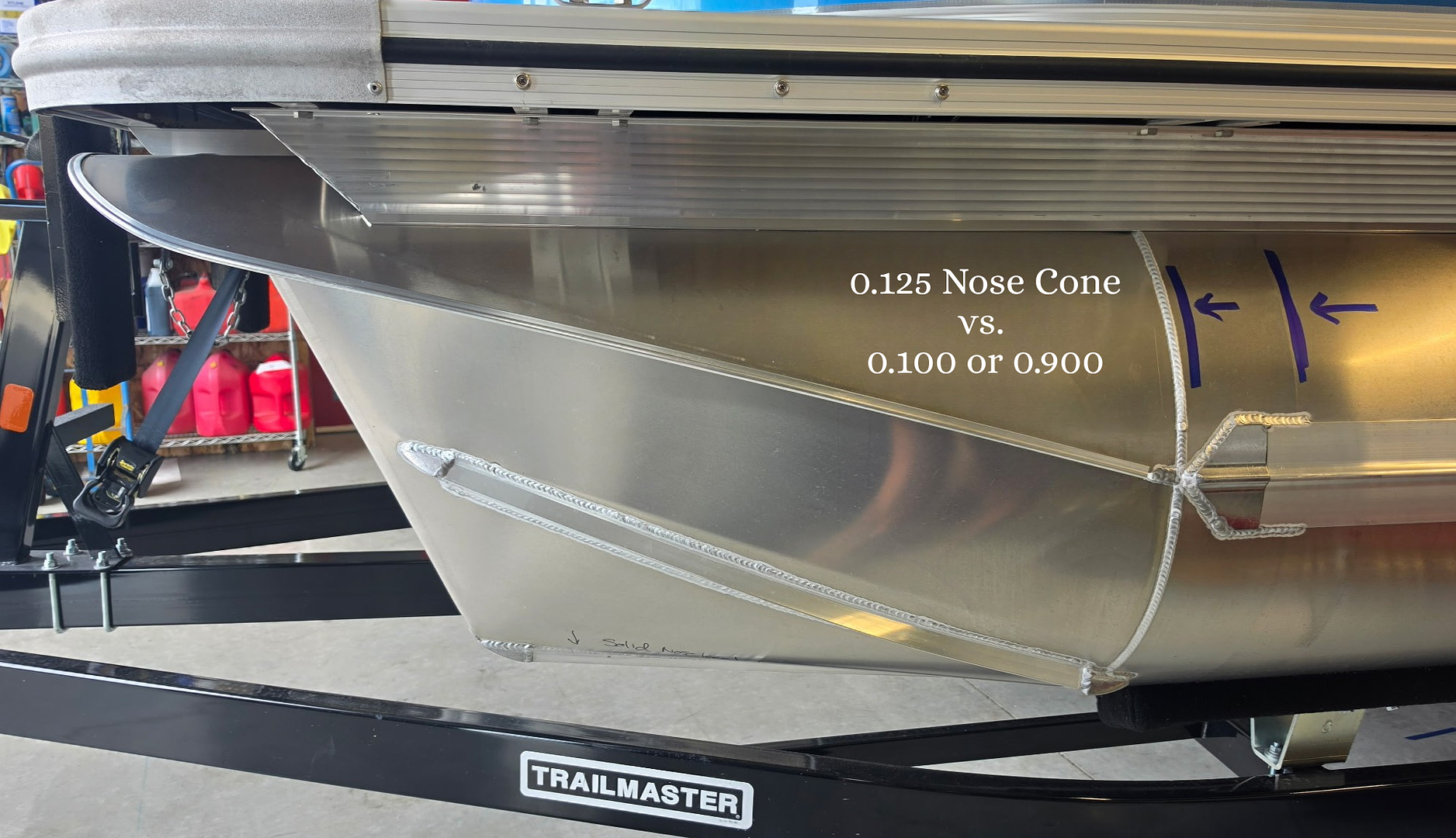
Thick Heavy Duty .125 Guage Foam Filled Nose Cones
Avalon's Commercial Duty/Rough Water nose cones are nearly 40% Thicker than the .090 "industry standard" and 25% Thicker than the competitions "heavy duty" .100 cones.
In addition to the heavy gauge aluminum Avalon goes one step further and FOAM FILLS the entire nose cone chamber.
With the .125 thickness and the foam filling - flexing at the leading edge of the boat from continuous abuse is virtually eliminated.
All of this gives added support that helps resist crushing and deformation caused by repeated dock impacts and rough water.
*********
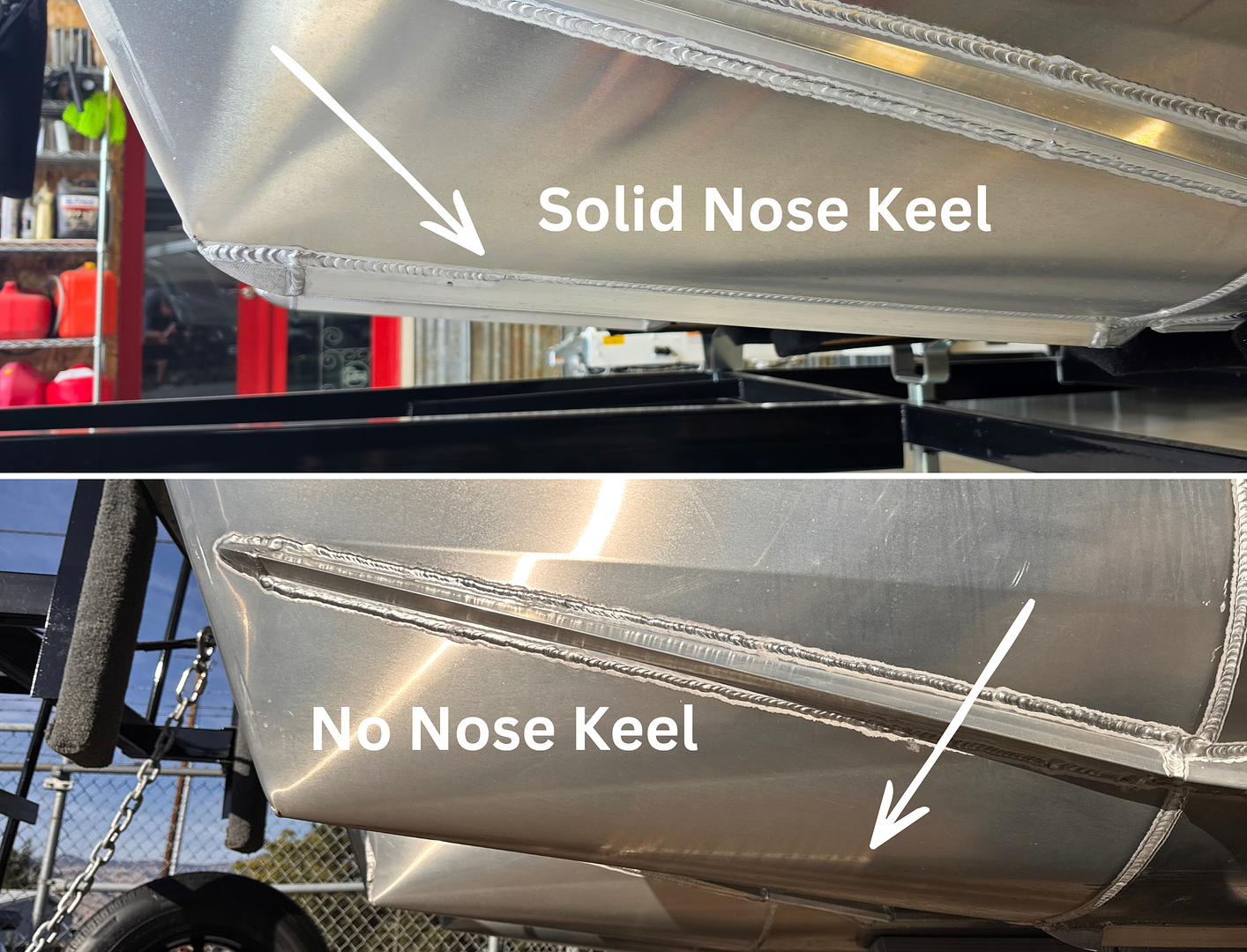
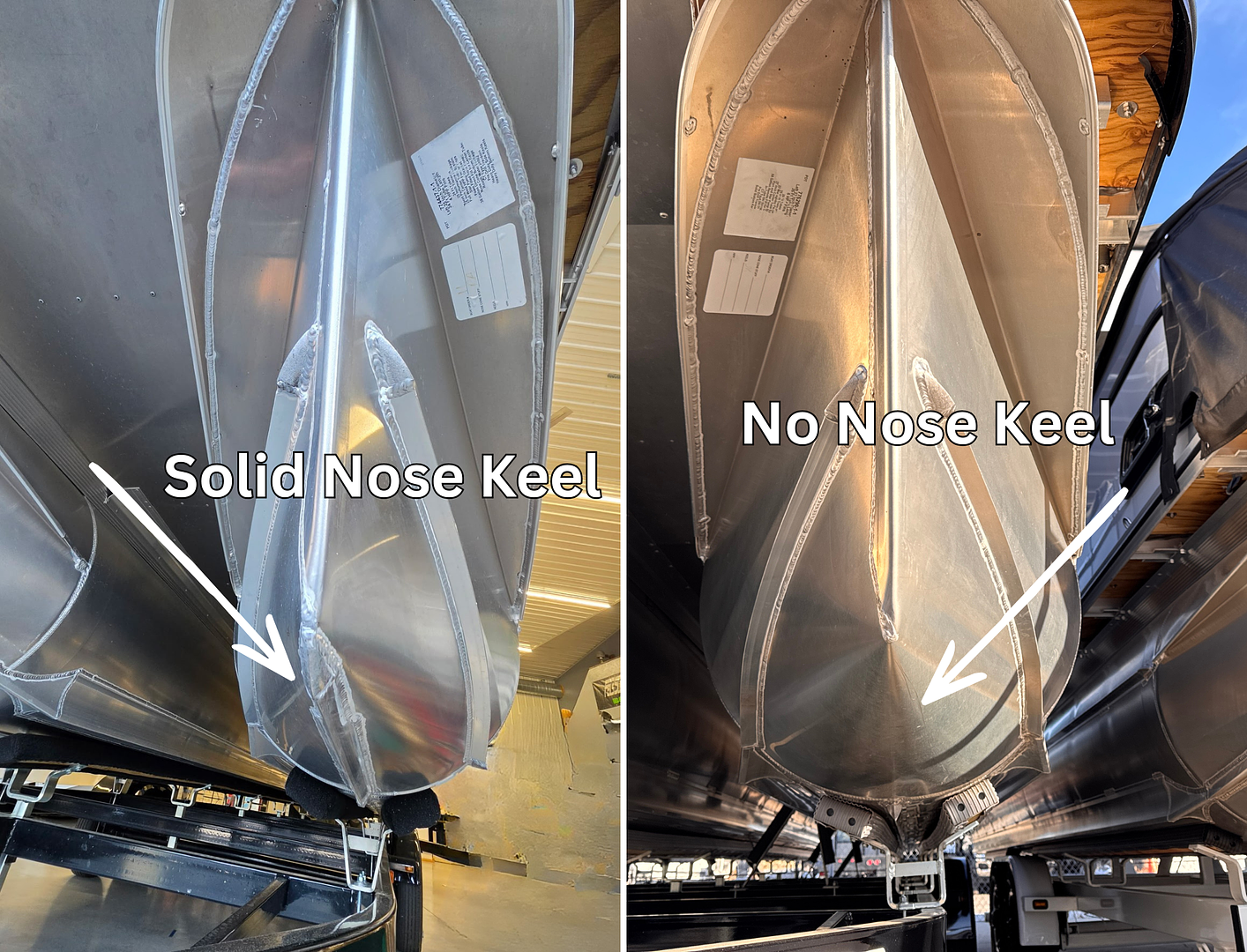
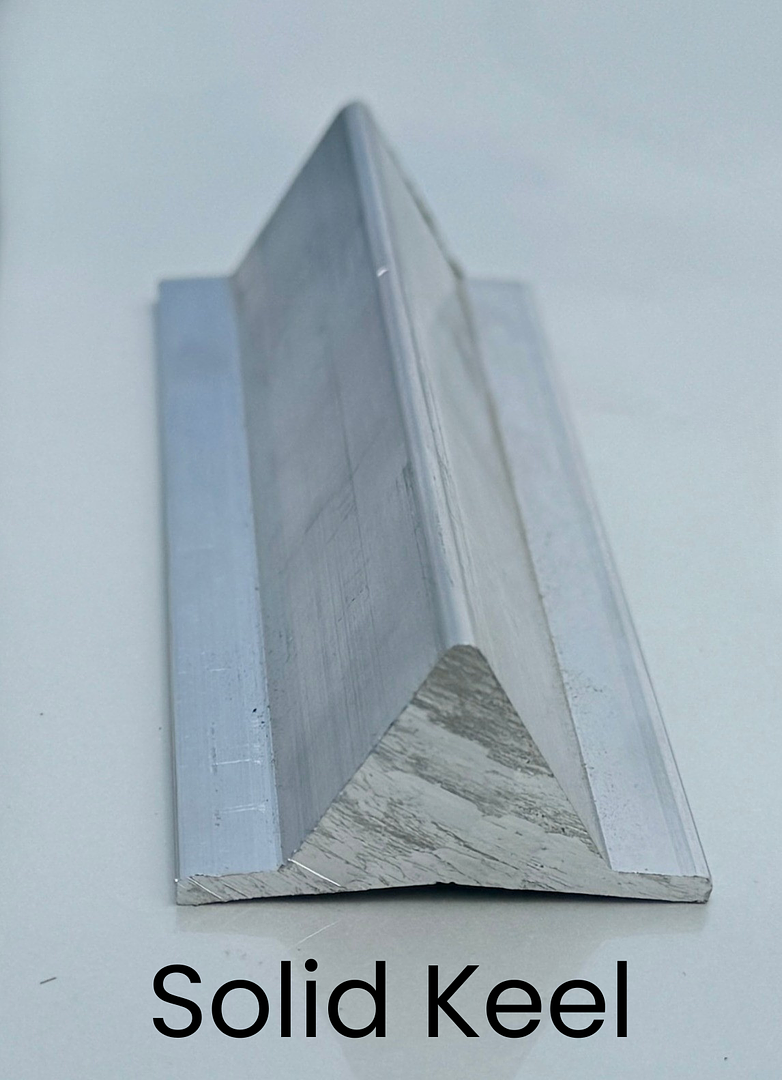
Solid Nose Cone Keels
Avalon Commercial Duty/Rough Water the added nose keels are made of solid aluminum and are fully welded to the bottom of the cone vs having no keel at all!
Reinforce and protect against contact with docks, trailers, rocks and submerged wood.
*********
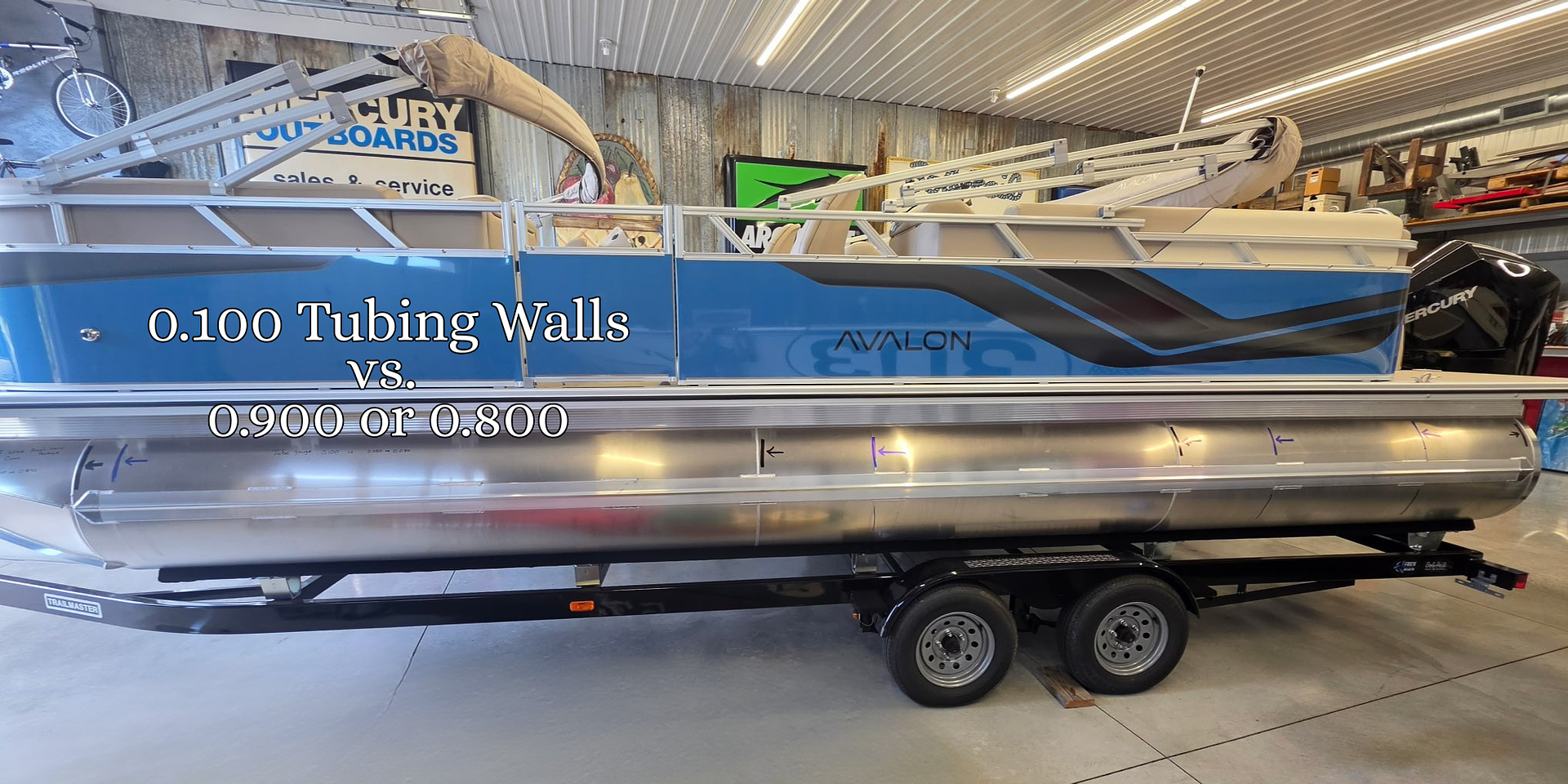
.100 Gauge Aluminum Pontoon Tubing Walls
Avalon Commercial Duty/Rough Water uses material 25% thicker than standard .080″ walls, helping resist damage and providing a better foundation for welding or patching if repairs are necessary
*********
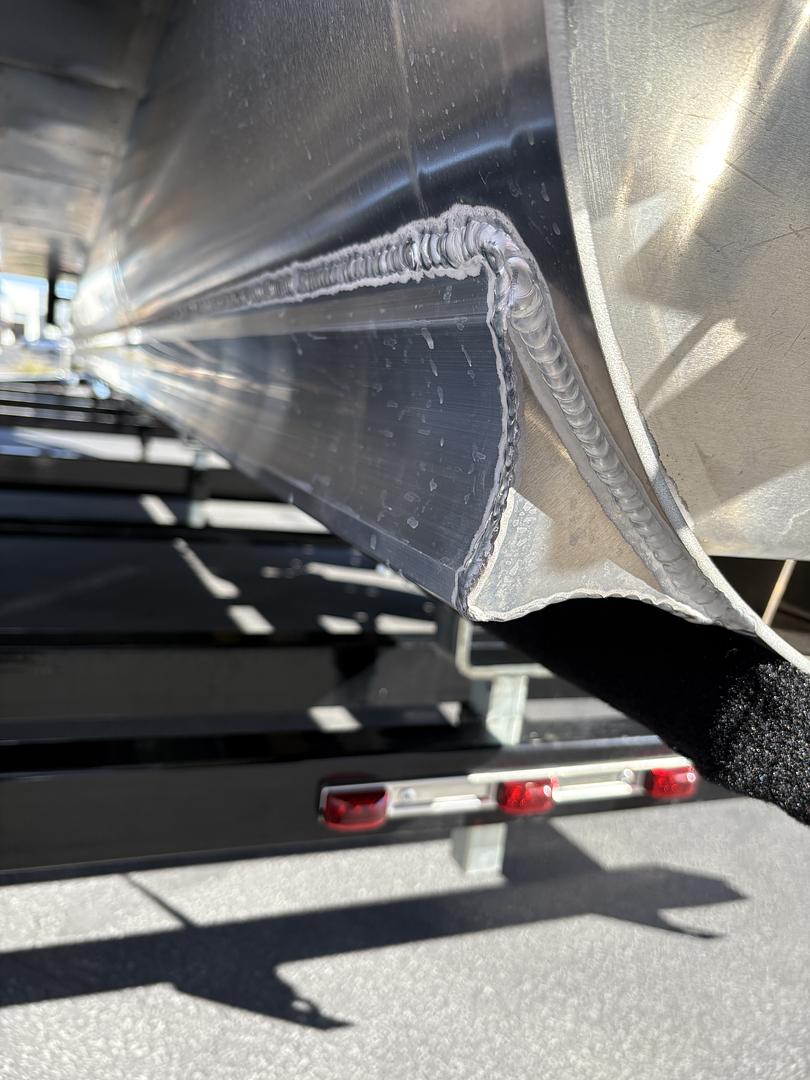
Continuously Welded HPP Lifting Fins
Provides performance lift and being fully welded they also provide additional longitudinal pontoon log reinforcement.
*********
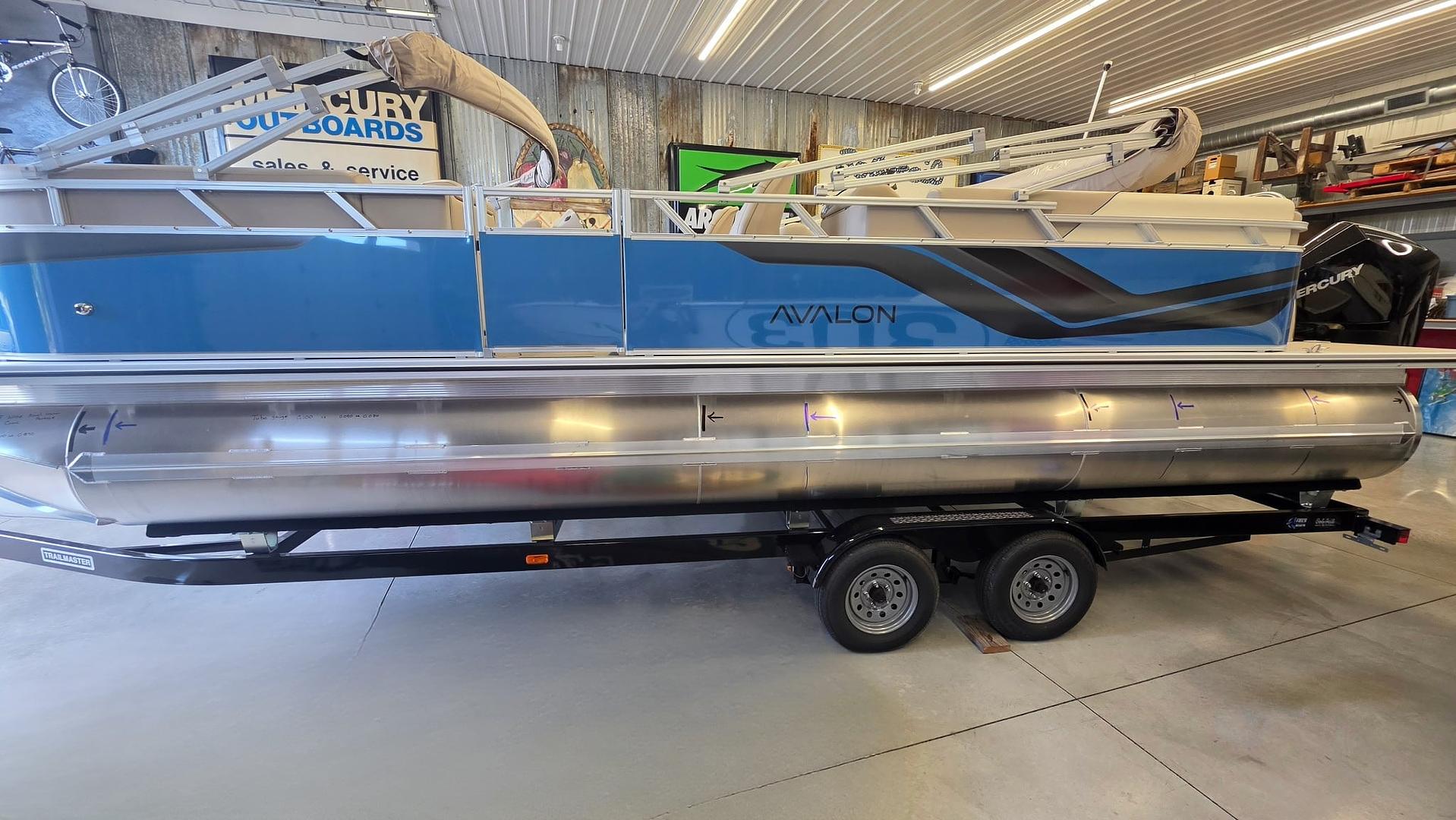
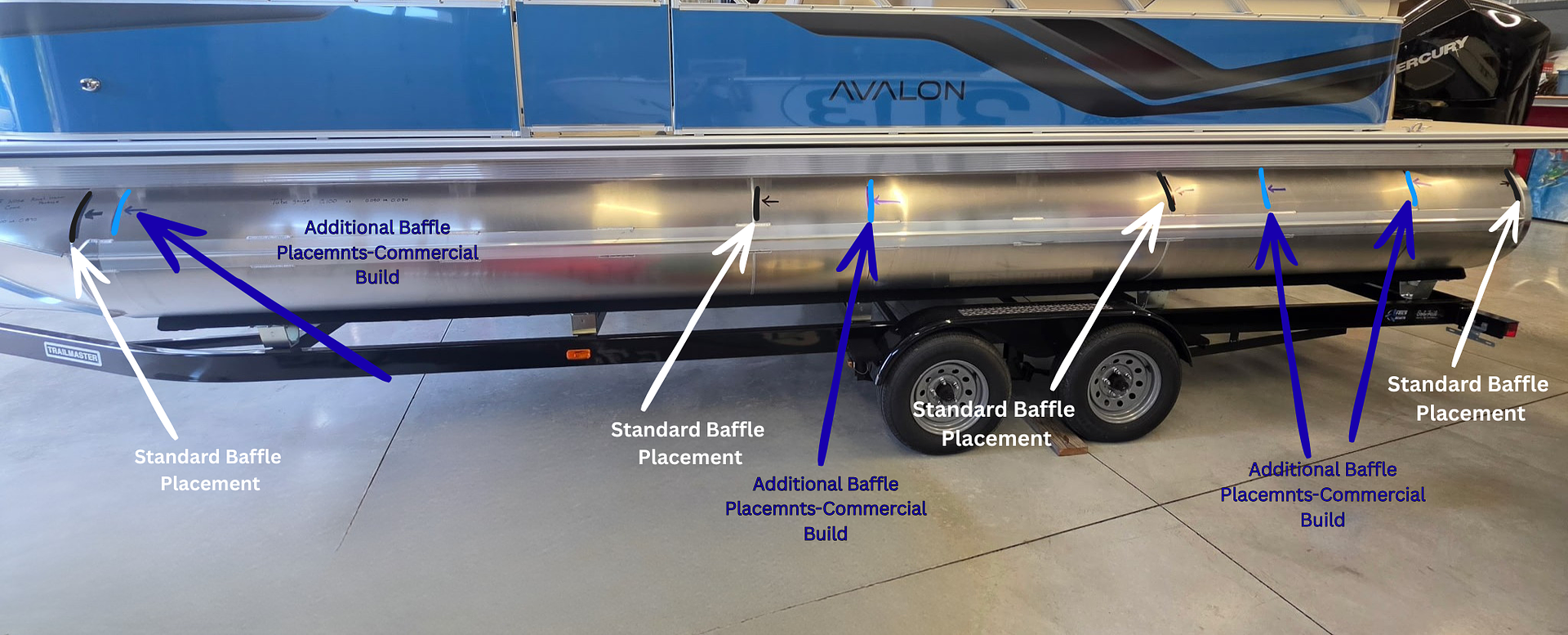
Additional Internal Stiffener Baffles
Helps the pontoons maintain their shape under continuous wave slap, impact and repeated loading.
*********
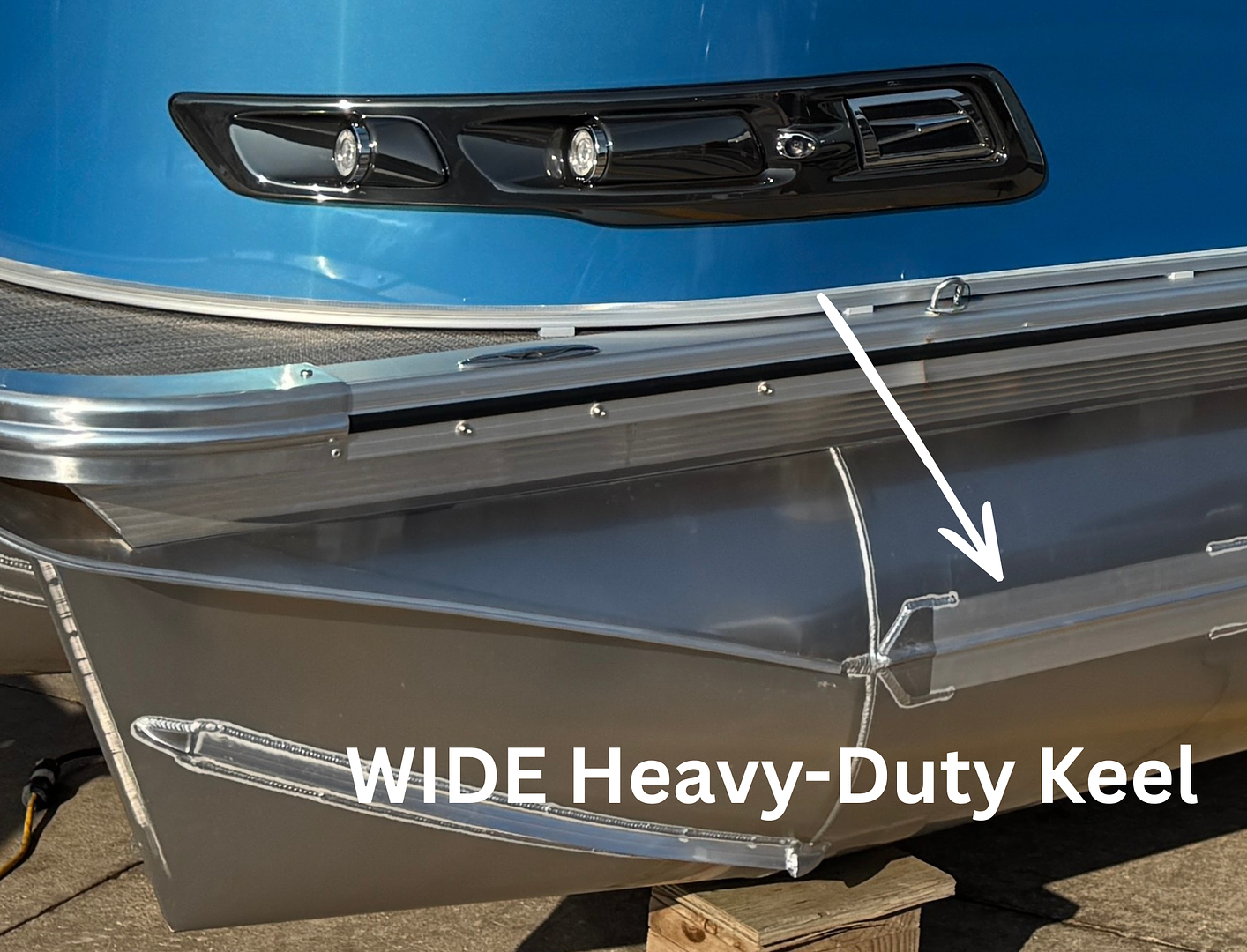
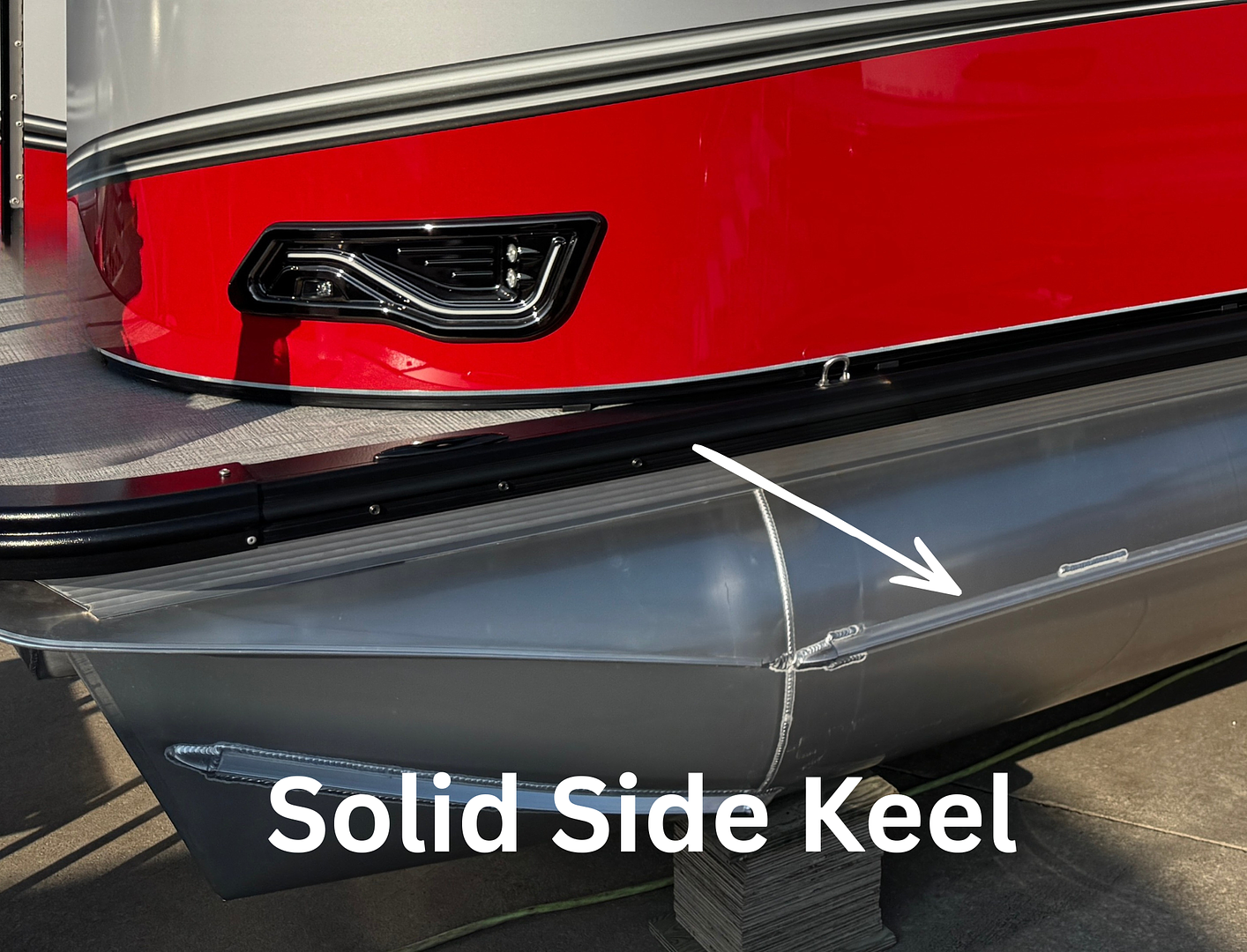
"WIDE" Heavy-Duty Keels
Adds reinforcement and side protection down the sides of the pontoon tubes.
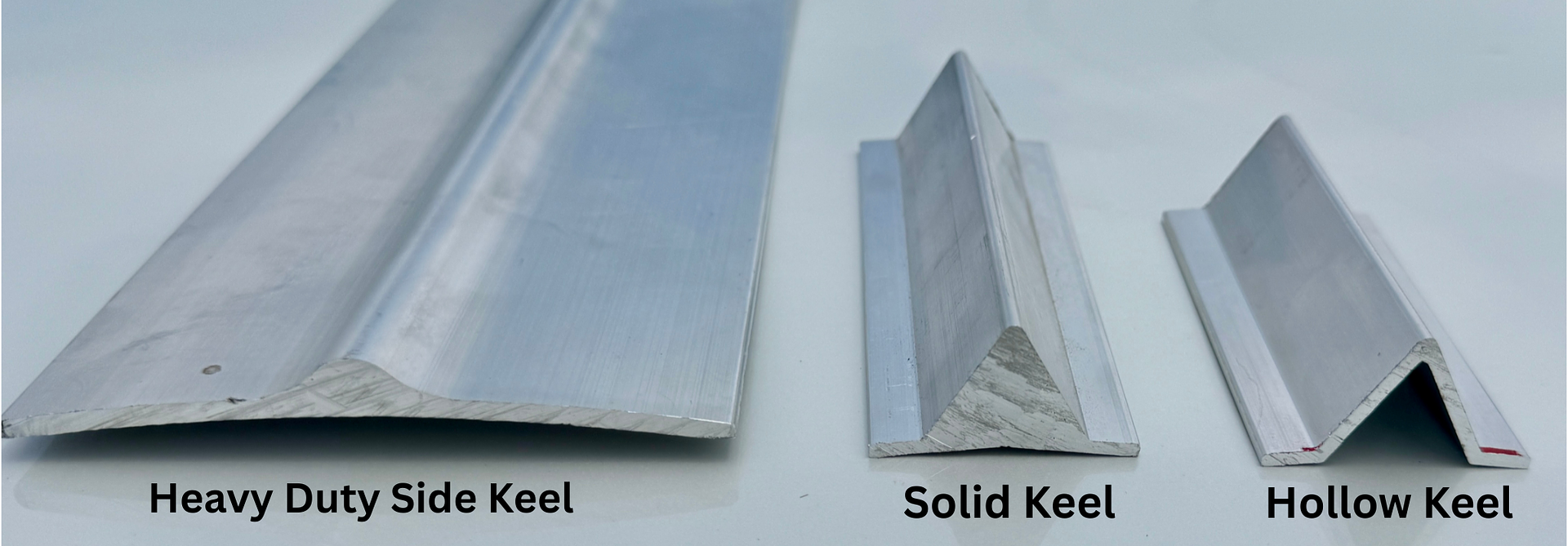
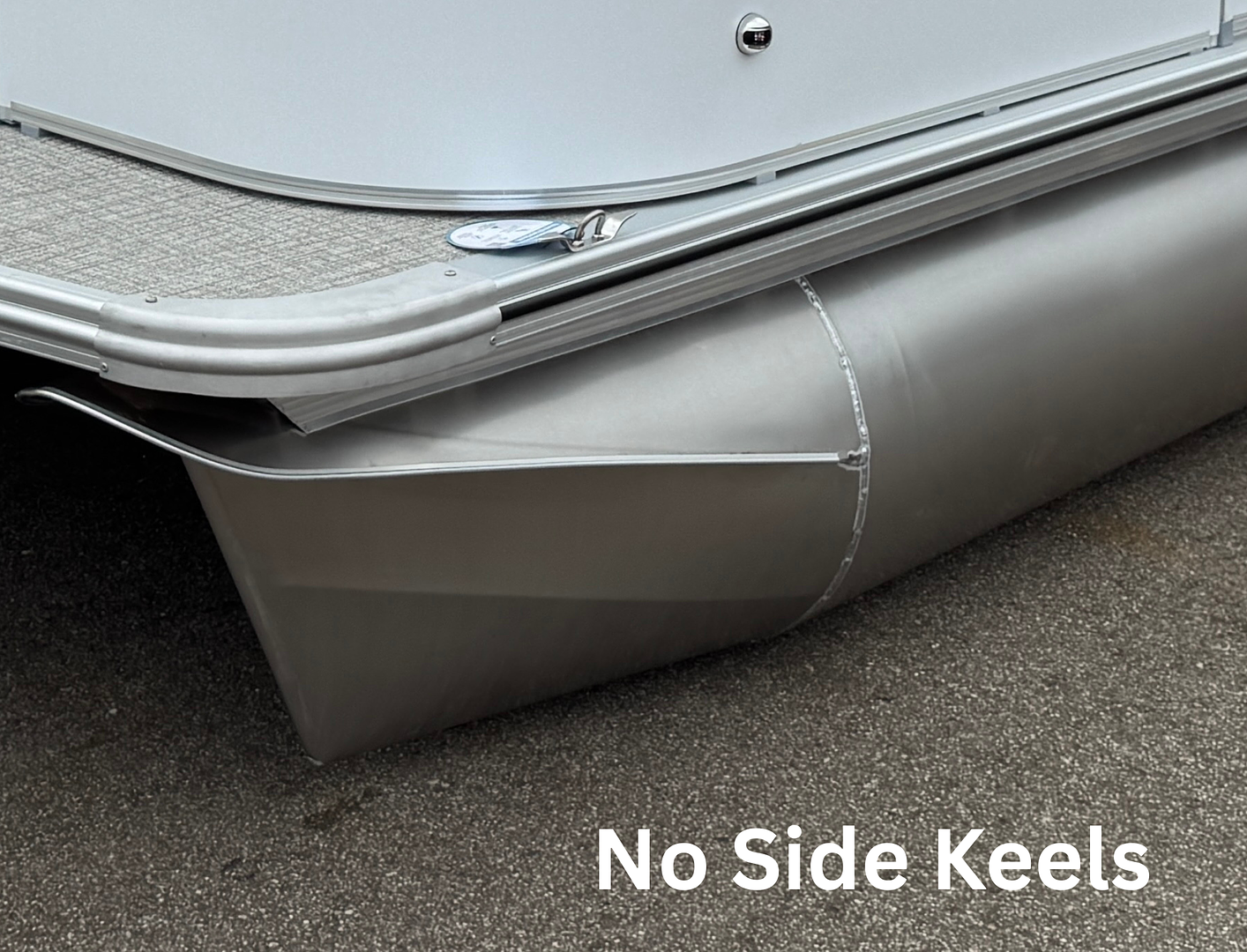
Heavy-Duty "wide" Bottom Keels
Adds reinforcement and protection longitudenly down the bottom of the tubes. The wide keels spread impacts over a larger surface area while the solid core stiffens the tube and can withstand rocks, wood and other hard objects.
*********
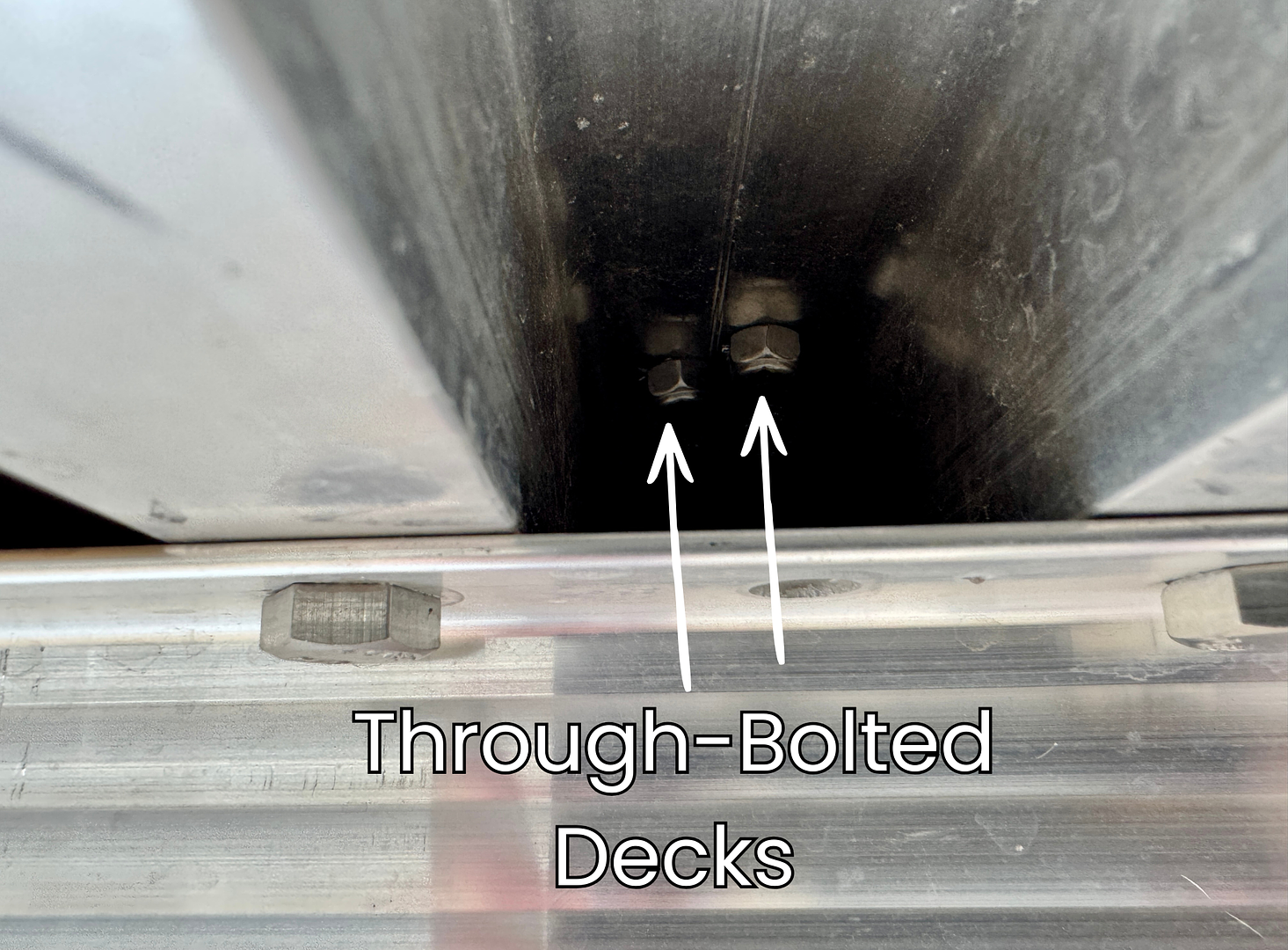
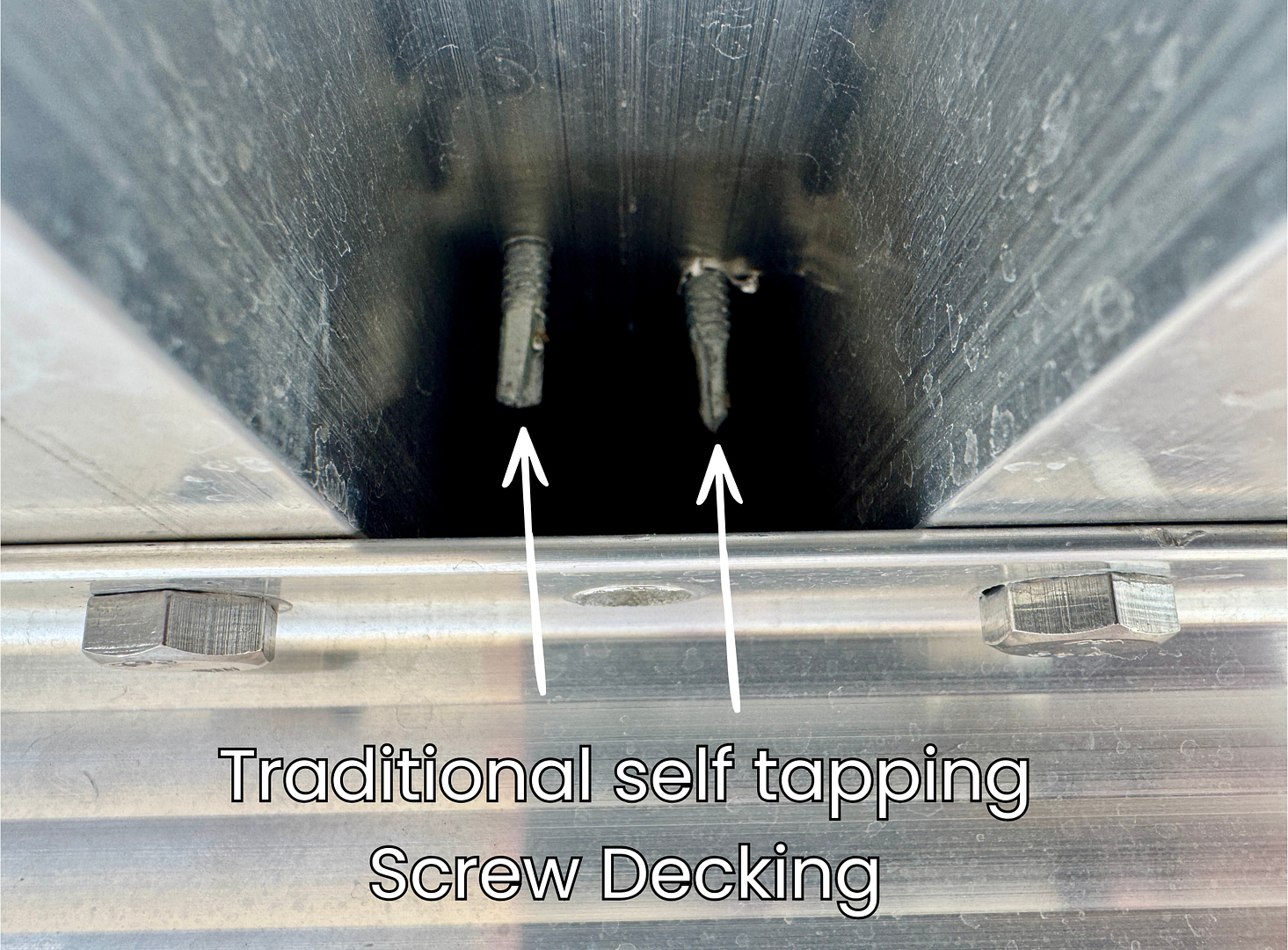
Through-Bolted Decks
Through-Bolting "Bolts with Nuts on the back Side" securely clamps the deck to the frame and adds the structural rigidity needed for demanding daily service vs traditional self tapping screws that loosen up and pull out.
These heavy-duty construction features work together to withstand the daily abuse of commercial rental operations. By reducing chassis flex, they help minimize metal fatigue, structural cracking, weld failures, and resulting water leaks—ultimately reducing maintenance costs and downtime while keeping the interior practical and the investment focused where it matters most: long-term durability and reliability.